
24 April Pet hair allergy: Do I have to give up my beloved pet?
The nose runs more and more often, the eyes burn after cuddling with the four-legged friend, and the cough lingers persistently. What initially seems harmless develops into a recurring pattern over time. At some point, a thought arises that many pet owners try to suppress for as long as possible: Am I allergic to my own pet? The diagnosis involves not only medical questions but also emotional ones. For many people, their pet is naturally part of the family. This makes a nuanced assessment all the more important. A pet hair allergy does not automatically lead to separation from the animal. Precise diagnostics, a realistic assessment of the symptoms, and an individually tailored therapy concept are crucial. What options exist and when a change is actually necessary, you will learn in the following.
Eine Tierhaarallergie (auch Tierhaarallergie genannt) ist eine allergische Reaktion auf Proteine, die in den Hautschuppen, dem Speichel oder dem Urin von Tieren enthalten sind, nicht aber auf die Haare selbst.
An animal hair allergy is a type of so-called inhalation allergy. This means that the allergenic substances enter the body via the air. They spread throughout the room, are inhaled, and also come into contact with the mucous membranes of the nose and eyes, where they trigger the allergic reaction. Typical symptoms include:
- Repeated sneezing
- Allergic rhinitis with constantly running nose and/or impaired nasal breathing
- Itchy nose and throat
- Red, watery or itchy eyes
- Pressure sensation in the sinus area
- Tickle in the throat
- Wheezing or shortness of breath
Pet allergy: What exactly does the body react to?
It's not the hair itself that causes the discomfort. Proteins released by animals through saliva, dander, sebum, or urine are responsible. These tiny particles cling to the fur, detach during everyday activities, and remain in the air or house dust for a long time.
For cats, the allergen Fel d 1, for example, plays an important role. Dogs produce several different allergens, such as Can f 1 or Can f 2. Horses, rabbits, guinea pigs, and hamsters also release their own characteristic proteins. The composition differs depending on the animal species and sometimes even between individual breeds.
If these particles come into contact with the mucous membranes of the nose or eyes, or enter the airways, the immune system of sensitised individuals reacts excessively. It forms specific IgE antibodies against the respective allergen. Upon re-exposure, these antibodies bind to the substance and trigger the release of inflammatory mediators such as histamine.
Histamine, among other things, widens blood vessels, increases mucus production, and irritates nerve endings. This causes the typical allergy symptoms.
The diagnosis of an animal hair allergy is carried out as follows:
If an animal hair allergy is suspected, please book an appointment with us ENT clinic in Frankfurt. In the anamnesis interview, we will clarify when and in which situations your symptoms occur. The temporal connection to contact with dogs, cats, or other animals is crucial. We also include pre-existing conditions such as asthma or other allergies in the assessment.
Subsequently, we will examine your nasal lining and assess if there are typical signs of an allergic reaction. To confirm this specific allergy tests. A skin test reveals within minutes whether your immune system is reacting to specific animal allergens. A blood test can also detect specific IgE antibodies.
It is the interplay of symptoms, examination, and test results that enables a reliable diagnosis and forms the basis for further action.
Untreated pet dander allergy: What are the possible consequences?
If an animal hair allergy remains untreated, the symptoms can gradually worsen. Initially, there are often only mild symptoms such as sneezing or red eyes. However, with continued exposure to the allergens, the immune system often becomes increasingly sensitive in many cases.
Many affected individuals develop chronic inflammation of the nasal mucous membranes. Nasal breathing becomes difficult, the sense of smell can diminish, and recurring Sinusitis occur. Sleep also suffers from a permanently blocked nose.
There is also the risk of so-called "stage-jumping". In this case, the allergic inflammation spreads from the upper airways to the bronchi. This can lead to the development of allergic asthma, for example. Typical signs include persistent coughing, wheezing, shortness of breath, or a feeling of tightness in the chest, especially when in direct contact with the animal or in rooms where animal allergens have accumulated.
Early diagnosis and consistent treatment prevent deterioration in many cases. Anyone who notices persistent symptoms should have them clarified by a specialist to avoid long-term consequences.
Do you have to give the animal away?
Many affected people ask themselves this question immediately after diagnosis. There is no one-size-fits-all answer. The deciding factors are the severity of your symptoms, whether the lower airways are already involved, and how well the symptoms can be treated.
In cases of mild to moderate symptoms, cohabitation can often be continued under certain conditions. These include consistent medical treatment, allergen-reducing measures in the home, and clear rules for daily life, such as pet-free sleeping areas.
The situation changes if allergic asthma develops or severe breathing difficulties occur. In such cases, prolonged exposure can pose health risks. We should then carefully weigh up what is medically justifiable in a joint discussion.
Treating pet hair allergies: What's possible?
The treatment is based on the severity of your symptoms and whether only the upper airways or the bronchi are also affected. The aim is to control symptoms and prevent deterioration. The following options are available:
Drug therapy
Antihistamines relieve sneezing, itching, and watery eyes. Cortisone nasal sprays reduce inflammation of the nasal lining and improve breathing. Inhalable medications are used if the bronchi are affected. The selection is individualised and based on your symptoms.
Allergen reduction in everyday life
Certain measures can reduce allergen exposure. These include animal-free sleeping areas, frequent ventilation, removing carpets, or using HEPA filters. Regular cleaning of upholstered furniture and textiles also contributes to relief. These steps do not replace therapy but can be a useful addition.
Specific immunotherapy
So-called hyposensitisation tackles the cause. In this process, the body receives controlled amounts of the relevant allergen over a longer period. The aim is to gradually regulate the excessive immune response and significantly reduce the symptoms.
However, this therapy is not suitable for every form of animal hair allergy. For some animal allergens, no standardised or sufficiently effective preparations are available. Furthermore, the success of therapy for animal allergies can sometimes be less reliable than, for example, for pollen allergies. Another prerequisite is that the symptoms can be clearly attributed to a specific allergen and that there are no medical contraindications.
Whether a specific immunotherapy is appropriate in your case can only be determined after a differentiated allergological assessment in our ENT practice clinic in Frankfurt.
Keep a pet with a pet hair allergy? Final assessment
A pet means closeness, joy, and often many years of shared history. For many people, a dog, cat, or other animal is a natural part of the family. Consequently, a diagnosis of a pet hair allergy can be very distressing.
We take this emotional dimension very seriously. Our aim is to find solutions with you that protect your health and, where medically justifiable, enable you to continue living with your pet. We will examine all therapeutic options and advise you on sensible measures for daily life.
However, if persistent breathing difficulties, developing asthma or other serious health consequences are to be expected, we must re-evaluate the situation. In some cases, the circumstances can be adapted. In others, separation from the animal may represent the safer long-term decision.
We don't make this assessment hastily, but individually and with the necessary empathy.
Treating pet dander allergies in Frankfurt: We at the HNO-Praxisklinik Goethe10 are here for you!
Our team has many years of experience in the diagnosis and treatment of allergic diseases, including pet dander allergy.
If you are suffering from corresponding complaints or wish for clarity, please feel free to arrange a Date.
Do you have any questions on this topic or would you like to arrange a consultation?
ENT Frankfurt: Dr Thomas Fischer & Dr Albrecht Linke
Your specialists for ear, nose and throat medicine, who will provide you with professional and individualised advice, examinations and treatment in all matters relating to ENT medicine, functional plastic surgery and the aesthetic treatment of changes to the facial skin.
Our news articles are compiled for you to the best of our knowledge and belief and serve the purpose of general further education. They under no circumstances replace medical advice, diagnosis and treatment, and are not intended to encourage self-diagnosis or self-treatment. If you have any health complaints, please always contact your ENT specialists in Frankfurt directly!
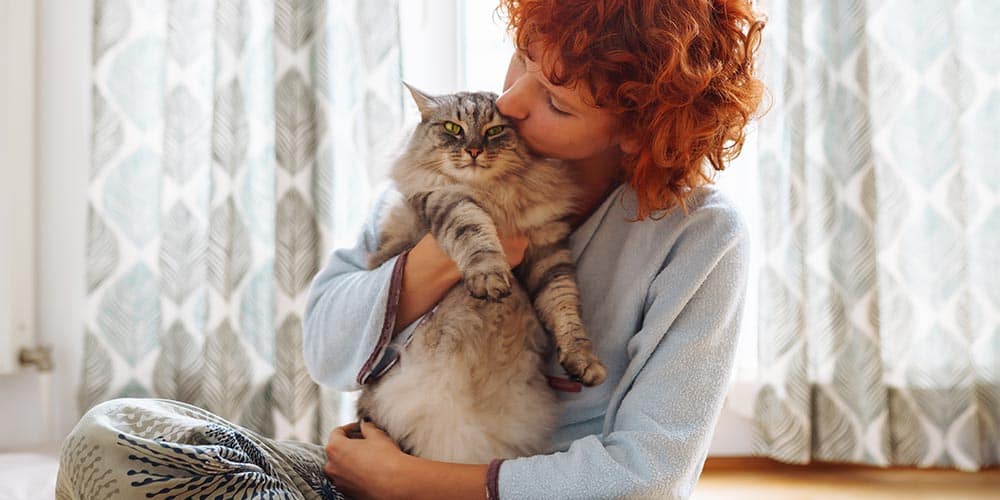
© „Portrait of a young red-haired, curly-haired woman with an adored fluffy domestic cat“ by larisikstefania, stock.adobe.com

 English
  German
  Arabic